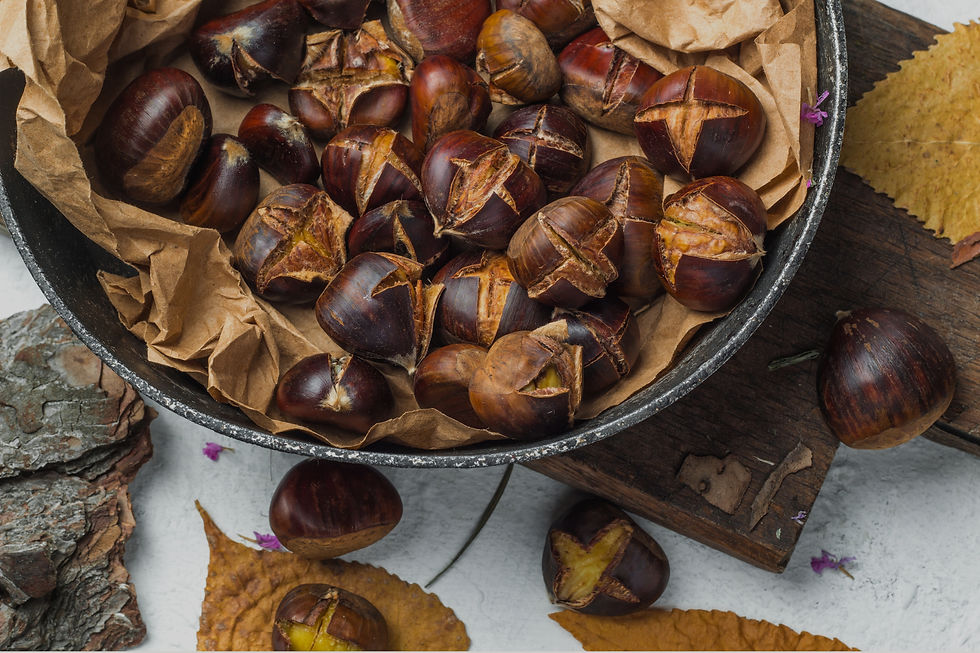
CHESTNUT NUTRITION
CHESTNUT NUTRITION
Chestnuts offer a unique nutritional profile that sets them apart from other nuts. Naturally low in fat and rich in complex carbohydrates, they also provide fiber, vitamins, minerals, and antioxidants. Whether enjoyed roasted or incorporated into your favorite recipes, chestnuts are a delicious way to add variety and valuable nutrients to your diet.
WHAT MAKES CHESTNUTS DIFFERENT?
While most nuts are high in fat and protein, chestnuts contain significantly less fat and more carbohydrates. In fact, their nutritional composition is more similar to grains and starchy vegetables than to traditional nuts like almonds, walnuts, and pecans.
But chestnuts offer more than just carbohydrates. They're also a source of several important vitamins and minerals.
NUTRITIONAL BENEFITS OF CHESTNUTS
-
Naturally low in fat: Chestnuts contain considerably less fat than most other nuts and are naturally cholesterol-free.
-
A source of energy: Their complex carbohydrates provide energy for the body.
-
Vitamin C: Unlike most nuts, chestnuts contain vitamin C, an important nutrient for immune function and collagen production.
-
Dietary fiber: Chestnuts provide fiber, which supports healthy digestion and contributes to overall gut health.
-
Vitamins and minerals: Chestnuts contain potassium, folate, and other B vitamins that support normal bodily functions.
-
Antioxidants: Chestnuts contain naturally occurring compounds with antioxidant properties.
CHESTNUT NUTRITION FACTS
The following nutritional values are based on a 1-ounce serving of roasted chestnuts.
Calories: 68
Protein: 1.2 grams
Vitamin C: 11 mg
Potassium: 135 mg
Fat: 0.3 grams
Cholesterol: 0 grams
Carbohydrate: 14.4 grams
HOW DO CHESTNUTS COMPARE TO OTHER NUTS?
Chestnuts stand out from other nuts for their low fat content and higher proportion of carbohydrates. The comparison below illustrates some of these nutritional differences.
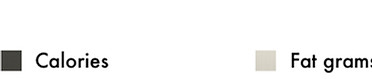

Nutritional Information supplied by the University of Missouri Center for Agroforestry.